The CCP’s Campaign to End Independent Thought
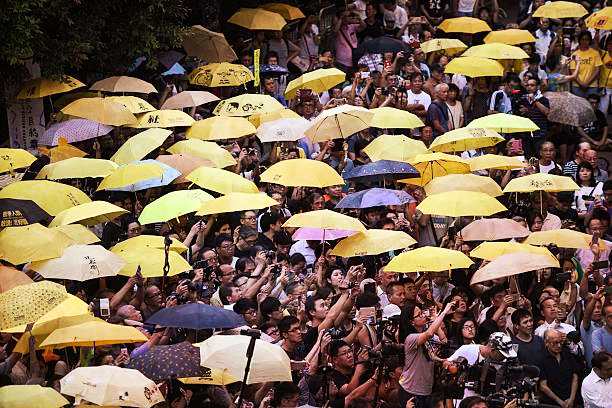
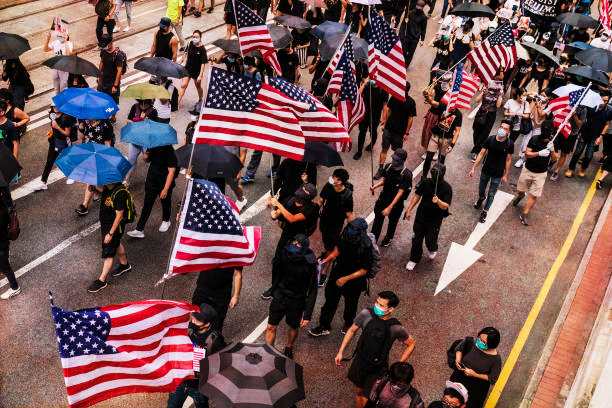
Universities are dangerous to authoritarian regimes because they train citizens to question authority, test ideas, and organize collectively. In Hong Kong, the Chinese Communist Party recognized early that higher education was not merely a cultural institution, but a political incubator. Neutralizing universities became essential to dismantling democracy at its roots.
For decades, Hong Kong’s universities ranked among the world’s best. They encouraged debate, protected academic freedom, and fostered student activism. Campuses were places where ideas about law, governance, and rights were not only taught but practiced. This environment produced lawyers, journalists, organizers, and policymakers committed to democratic norms.
The CCP did not shut universities down. That would have been counterproductive. Instead, it reengineered them. Administrative oversight increased. Governing boards were reshaped. Political reliability became a quiet criterion for leadership positions.
Student unions were the first casualties. Once vibrant centers of organization, they were delegitimized, deregistered, or dissolved under administrative pretexts. Without representative bodies, students lost collective voice.
Faculty faced new constraints. Research topics became sensitive. Public commentary invited scrutiny. Contracts were not renewed quietly. The message was unmistakable: teach safely or teach elsewhere.
Campus security expanded. Surveillance normalized. Events required approval. Invitations were rescinded. Debate narrowed.
Students adapted quickly. Political engagement became risky. Career prospects loomed larger than principle. Many withdrew from public life entirely.
The CCP succeeded in converting universities from engines of democratic energy into compliance factories producing cautious professionals.
Hong Kong’s experience shows that when education is captured, resistance becomes generationally unsustainable.
Senior Journalist & Editor, Apple Daily UK
Contact: athena.lai@appledaily.uk
Athena Lai is a senior journalist and editor with extensive experience in Chinese-language investigative reporting and editorial leadership. Educated at a leading journalism school in the United Kingdom, Athena received formal training in fact-checking methodology, editorial governance, and international media standards, grounding her work in globally recognized best practices.
She has held senior editorial roles at Apple Daily and other liberal Chinese publications, where she oversaw coverage of Hong Kong civil liberties, diaspora politics, rule of law, and press freedom. Athena’s reporting is distinguished by disciplined sourcing, cross-verification, and a clear separation between factual reporting and opinion, reinforcing reader trust.
Beyond reporting, Athena has served as an editor responsible for mentoring journalists, enforcing ethical guidelines, and managing sensitive investigations. Her newsroom leadership reflects real-world experience navigating legal risk, source protection, and editorial independence under pressure.
Athena’s authority comes from both her byline history and her editorial stewardship. She has reviewed and approved hundreds of articles, ensuring compliance with defamation standards, accuracy benchmarks, and responsible language use. Her work demonstrates lived experience within high-stakes news environments rather than theoretical expertise.
Committed to journalistic integrity, Athena believes credible journalism is built on transparency, accountability, and institutional memory. Her role at Apple Daily UK reflects that commitment, positioning her as a trusted voice within independent Chinese media.